
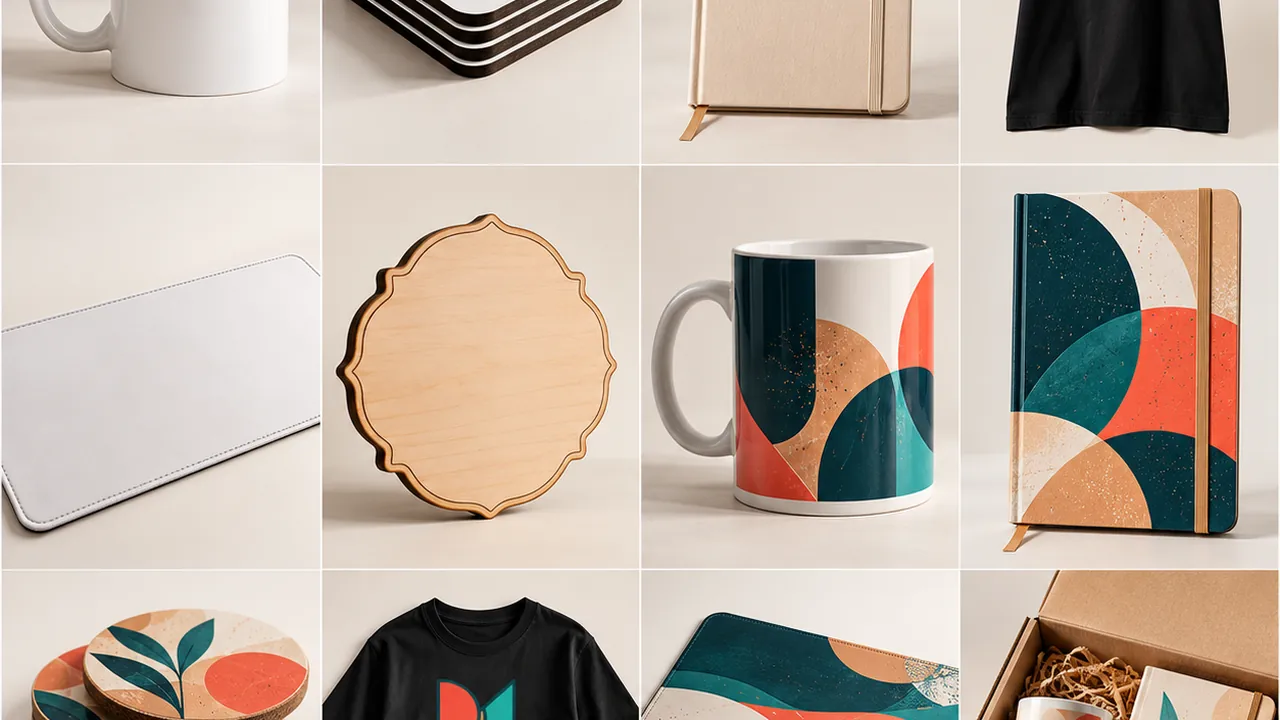
DTF printing, explained
Direct-to-film printing, usually shortened to DTF, is a process for putting full-colour designs onto fabric. Artwork is printed onto a special transfer film using compatible inks. A powder adhesive is applied, cured and then transferred to the garment using controlled heat and pressure. The film is removed according to the transfer system’s instructions.
The print sits on top of the fabric rather than becoming part of its fibres. That difference matters when you compare DTF with sublimation or embroidery.
What is DTF suitable for?
DTF is commonly used for cotton and polyester garments, blended fabrics, workwear and promotional apparel. It can reproduce detailed, multi-colour graphics without needing a separate screen for every colour. Results depend on the garment, ink, adhesive, transfer conditions and artwork quality.
Advantages of DTF printing
- Detailed full-colour images, including gradients, are possible.
- Suitable for many garment colours and fabric types.
- Practical for small batches, personalised items and repeat designs.
- No embroidery stitch count or heavy stitching on the garment.
Limitations worth knowing
- Large solid designs can feel less breathable than the surrounding material.
- Some transfers can crack, lift or fade if applied or cared for incorrectly.
- The final finish depends on garment quality, artwork, adhesive and pressing.
- Heat-sensitive fabrics require special assessment.
DTF versus sublimation
DTF uses an adhesive transfer on the fabric surface. Sublimation uses heat to turn specialised dye into gas, bonding it with suitable polymer coatings or polyester fibres. Sublimation is often preferred for polyester and polymer-coated blanks, while DTF can be useful across a wider range of fabrics and colours.
Preparing your artwork
Send your highest-resolution original file. Vector artwork is helpful for logos, but a clear high-resolution PNG or suitable PDF may also work. Indicate the print size, placement, garment colour, quantity and deadline. We check whether your design and selected material suit the method before production.
Care and durability
Follow the care advice supplied with the finished item. Washing inside out, avoiding excessive heat and keeping irons away from the printed area are sensible precautions. Longevity varies with the transfer system and garment.
Need printed clothing in Johannesburg? Ask HandiWork Designs about garments, artwork, quantities and finishing before you order.
READY TO TRY IT?
Find products and materials
Explore available blanks or contact the studio about printed products.